Zoe A. Tyler’s Educational Philosophy
Zoe A. Tyler has an MFA in Theatre for Youth and Community from Arizona State University and BS in Education from the University of Missouri. She holds a second bachelor’s degree, a BA in Theatre Performance from the University of Missouri.
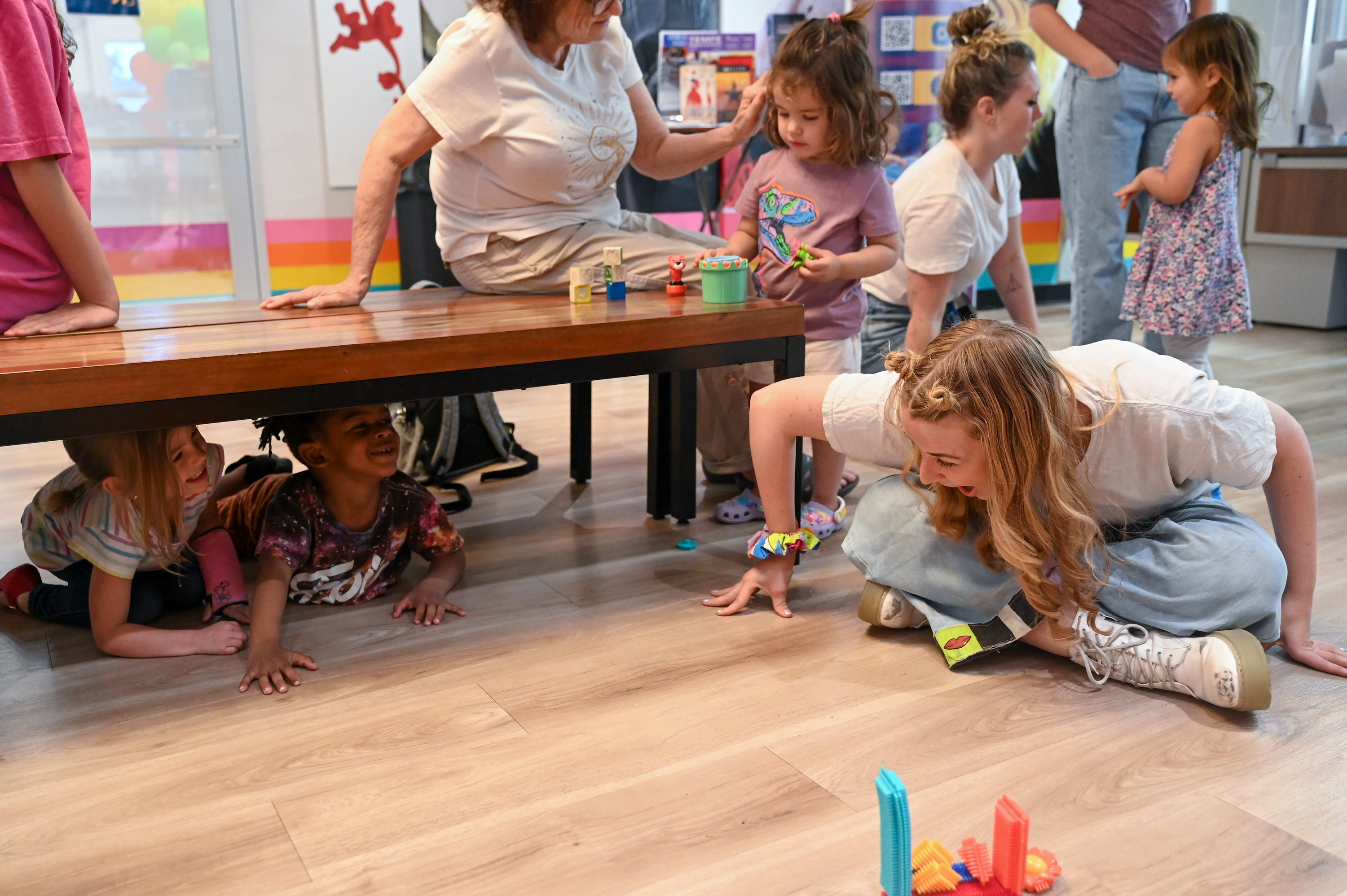
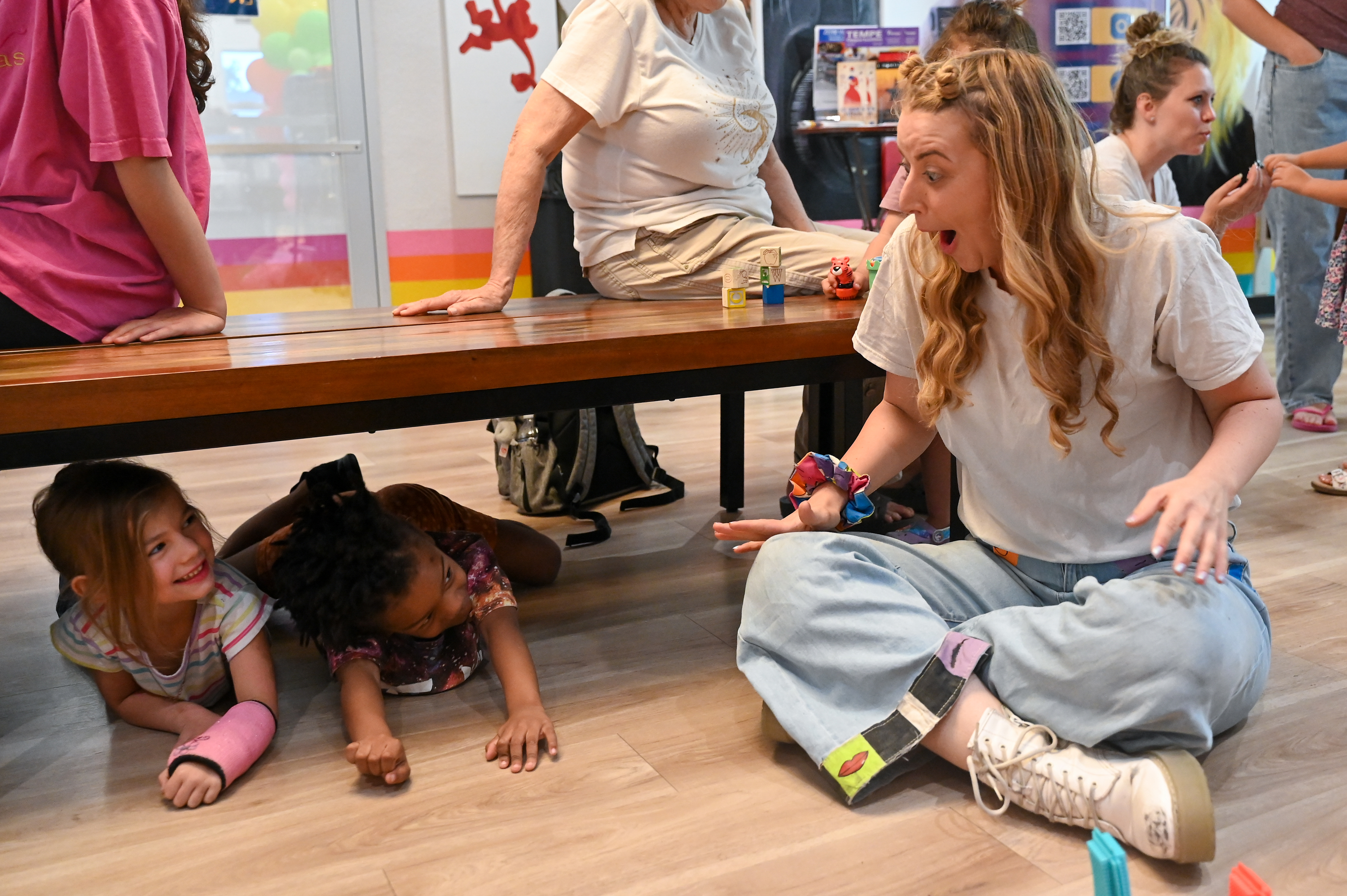
“Who wants strawberry sauce on their imaginary ice cream?” I ask a room of toddlers with their adults. Excitable wiggles and dances ensue as I top crumpled tissue paper with pink yarn. Tiny people are exchanging paper money with big people, serving ice cream, and babbling about toppings. This moment backstage comes from my experience as a Teaching Artist with Tempe City Arts in a caregiver-and-me class for ages 1-5 years. While this moment gives you a glimpse, my educational philosophy can be fully explored through my values, methodologies, curriculum design, and assessment.
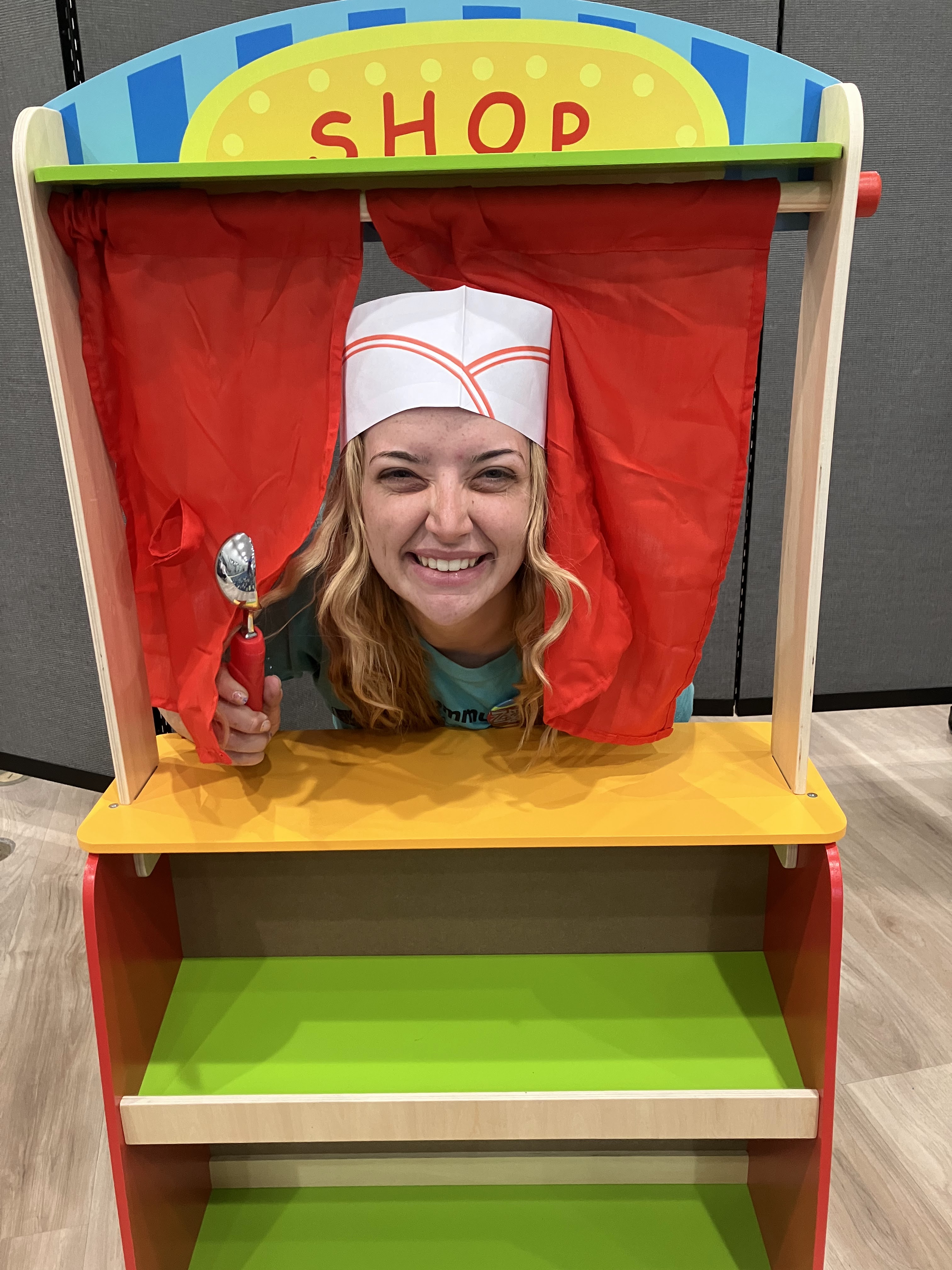
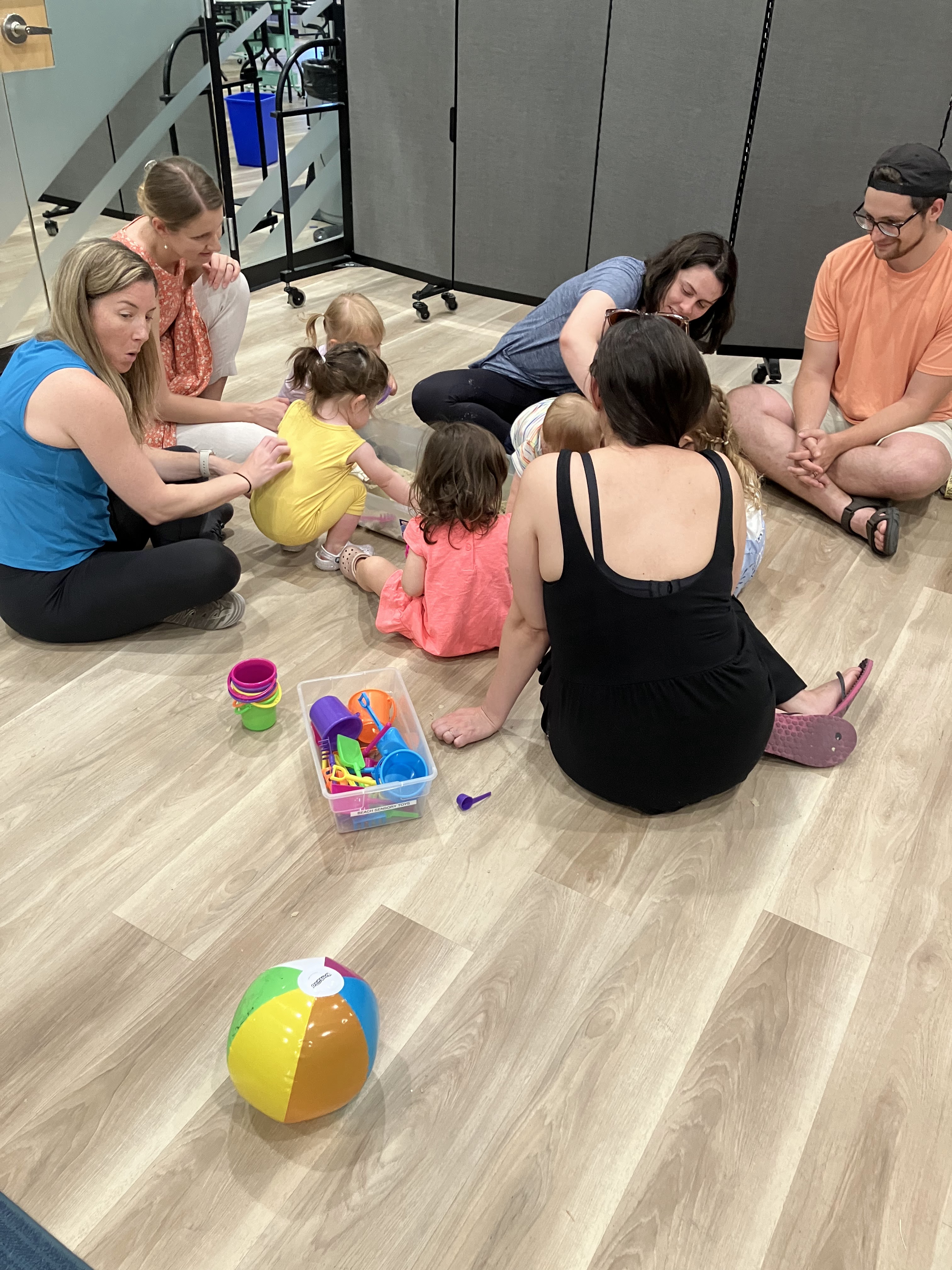
My values for drama in education are based on the educational philosophy, pragmatism. I value a student-centered model and freedom. Educational psychologist and pragmatist philosopher John Dewey popularized the hands-on approach to learning, and I believe that students learn best when they have access to hands-on learning experiences. I often bring in sensory tools and costumes that enhance the drama for my community of learners.

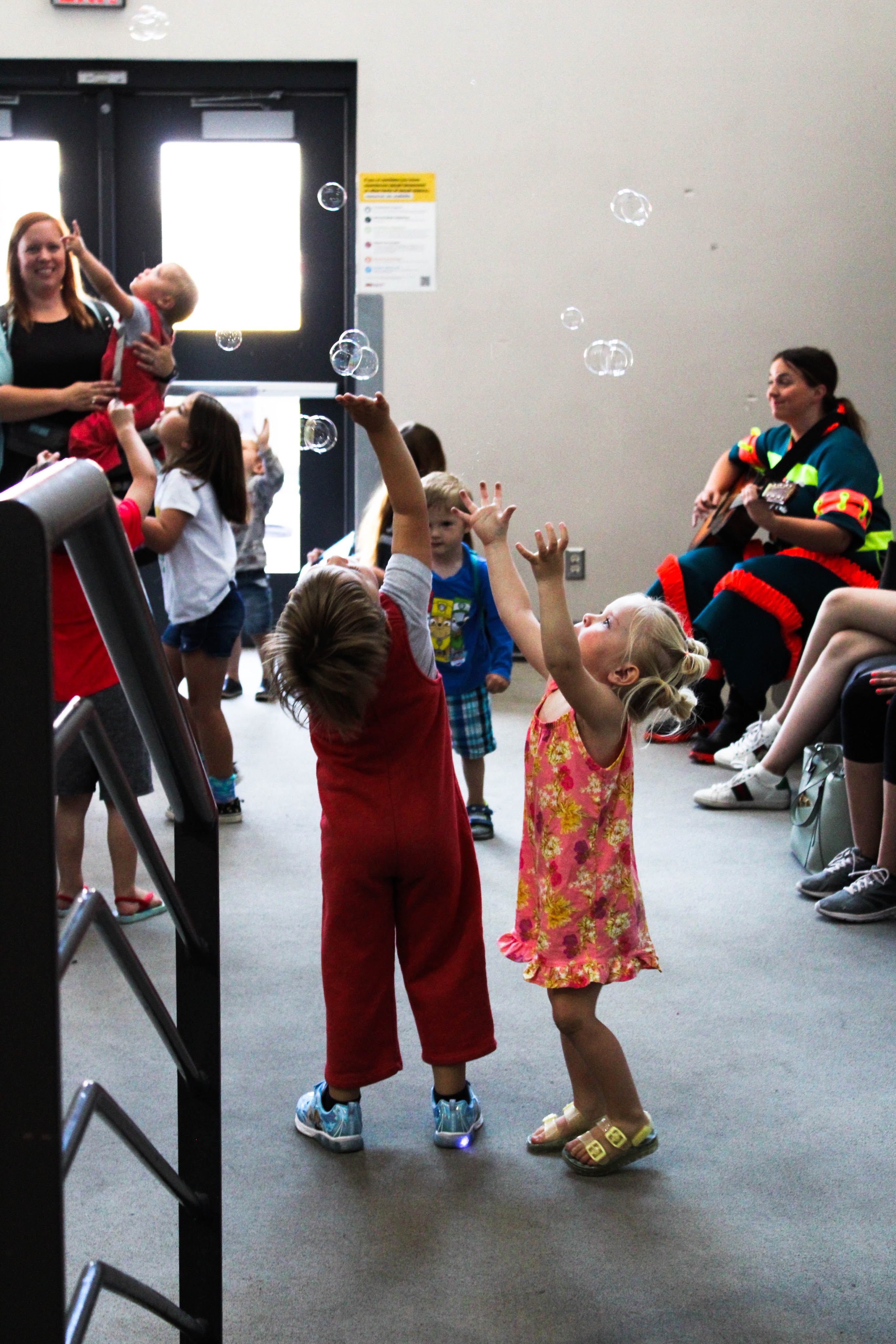
I define my community of learners as early emerging artists and citizens of the world. I have chosen to specialize in early education, youth, and disability within drama education. Therefore, I am typically introducing drama concepts and the performing arts in general. My community of learners are full of energy and potential that I am ready to tap into. When they give me big ideas, I am ready to say, “Yes, and!” or explain why that is not possible. I use drama education to model the behaviors of a healthy adult. I want for the arts to serve as a healthy stress reliever. The arts are an excellent way to hone collaboration skills and make friends, while also preparing students for their futures.
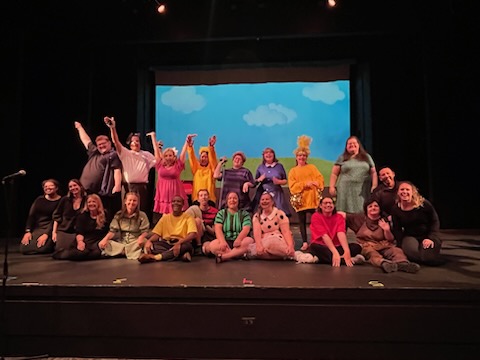
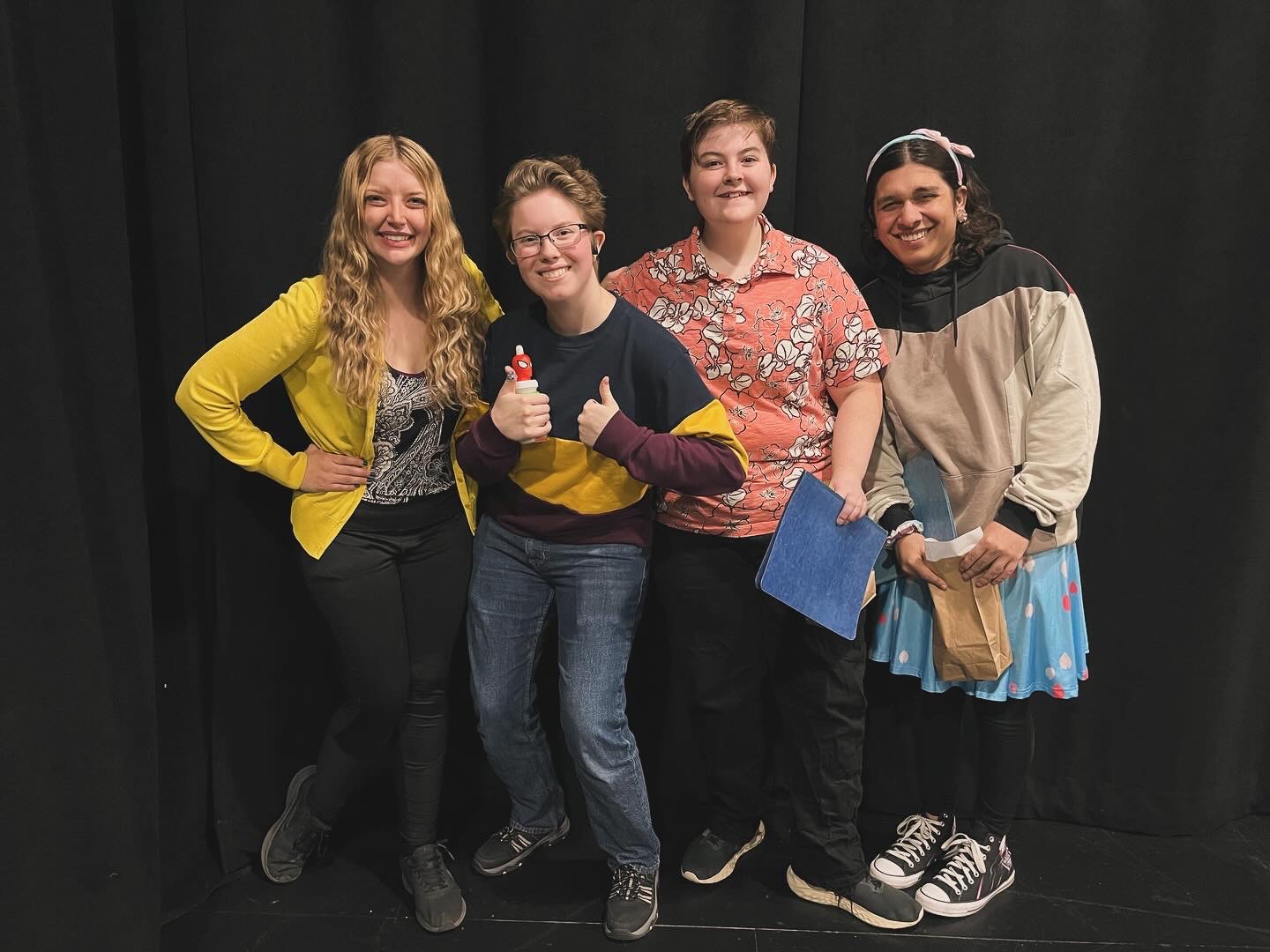
The futures of my students are important to me. I teach because I believe that the purpose of education is to prepare individuals to grow into healthy, happy adults that are prepared for active citizenship. I view the overall health of my students as a duty in my role as an educator. Furthermore, I want to prepare my students for active citizenship. I believe active citizenship is multi-faceted and can include goals, like career readiness and community involvement. I see students as an individual, whole person with different strengths and weaknesses, which influences my methodologies.
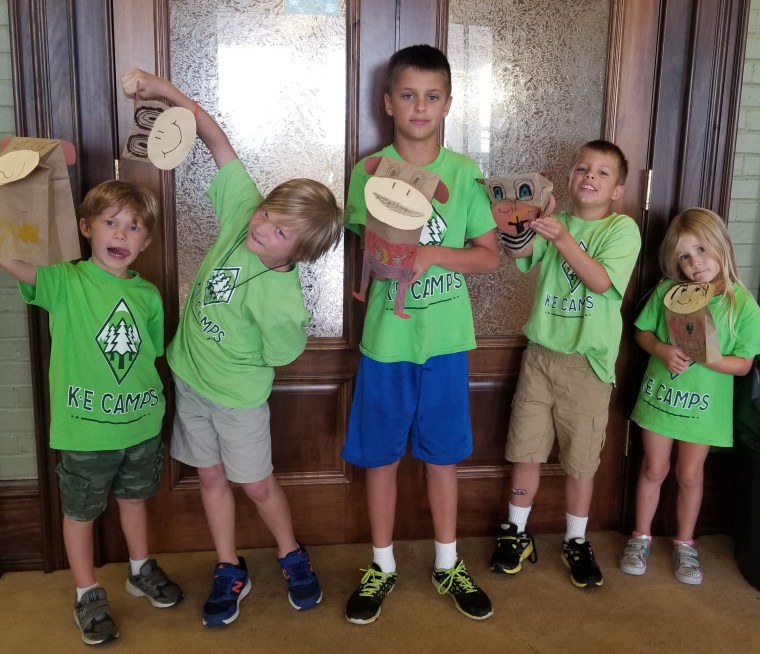
Howard Gardner’s theory of multiple intelligences is one that serves as a chief methodology when preparing a lesson. Although learning style theory (kinesthetic vs. auditory vs. visual learners) has been proven false, I believe that all people learn different subjects in different ways. For example, a student might do well with auditory learning for a song but better with kinesthetic learning for sewing a costume. My choice in drama methodologies must fit the curriculum that I have chosen to teach.
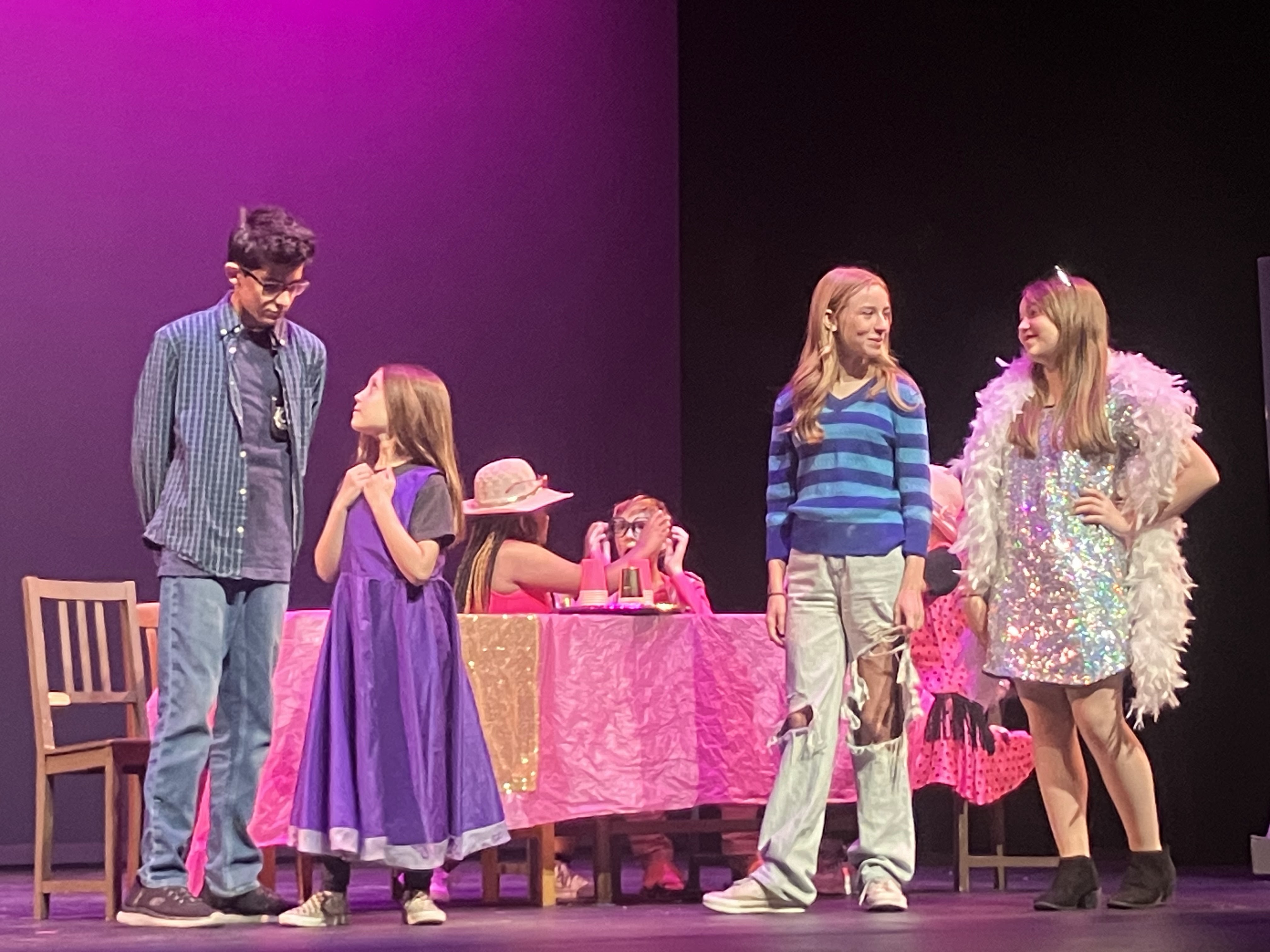
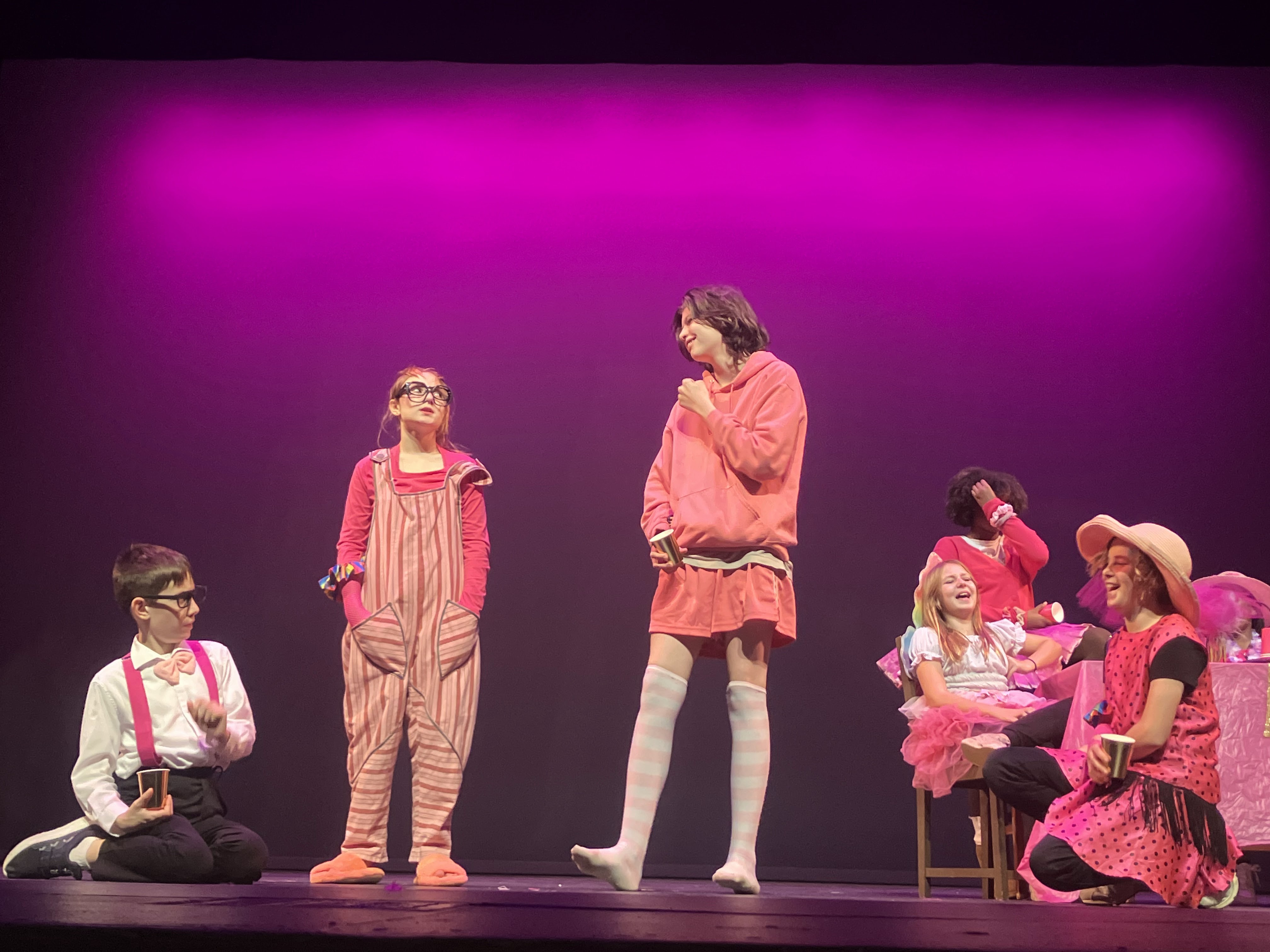
When designing curriculum with drama in education, I choose topics that support learning about social issues and life skills. I prefer to develop drama learning experiences that are focused on students’ interests. For example, if my students are interested in dinosaurs, I am ready to tie standards back to dinosaurs. I believe that an optimal learning environment is one in which a student is safe, supported, challenged, engaged, and equitable, and the design of my curriculum should reflect such. Given the nature of my curriculum and educational activities, I practice specific methods to assess learning.
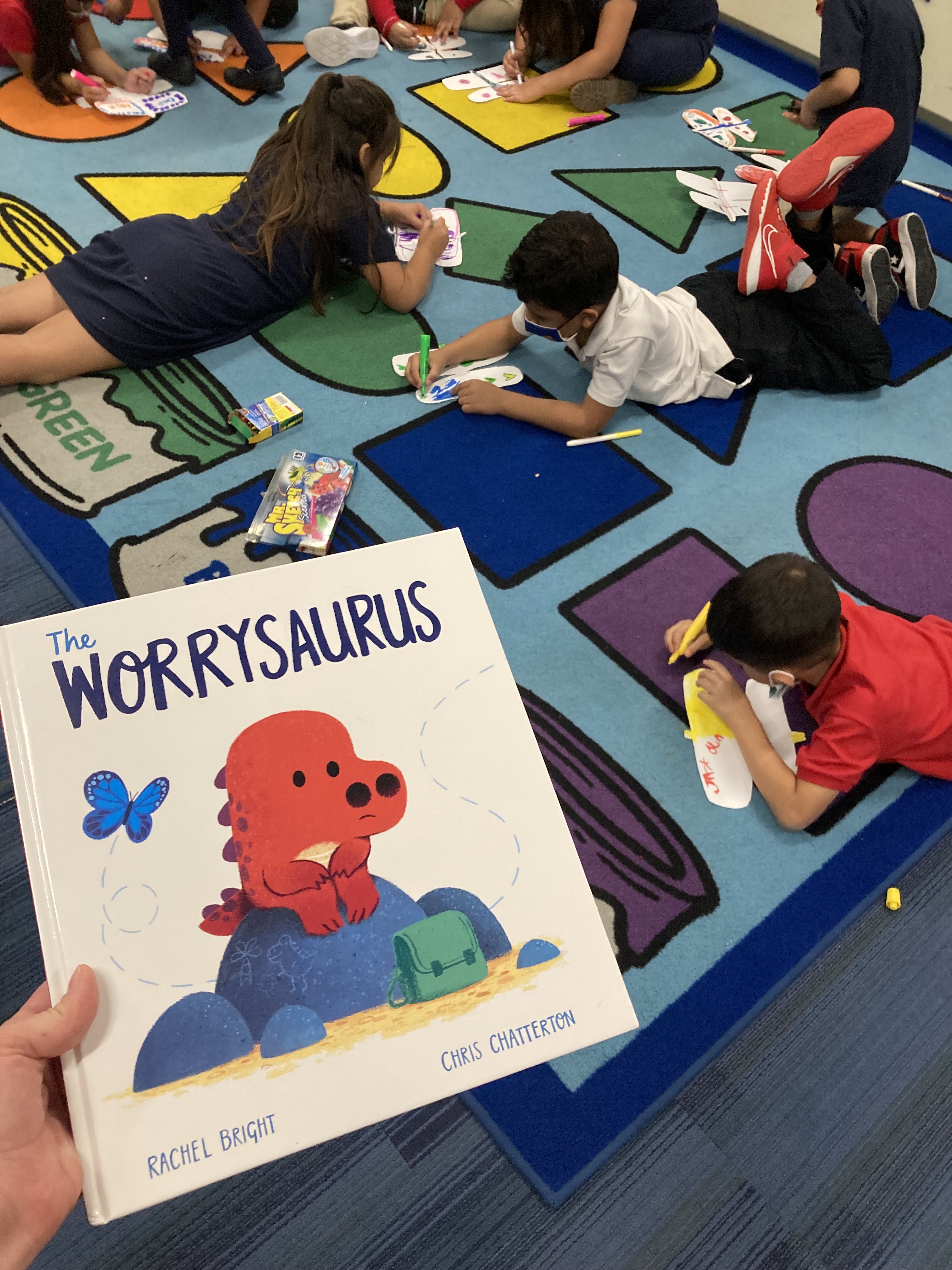
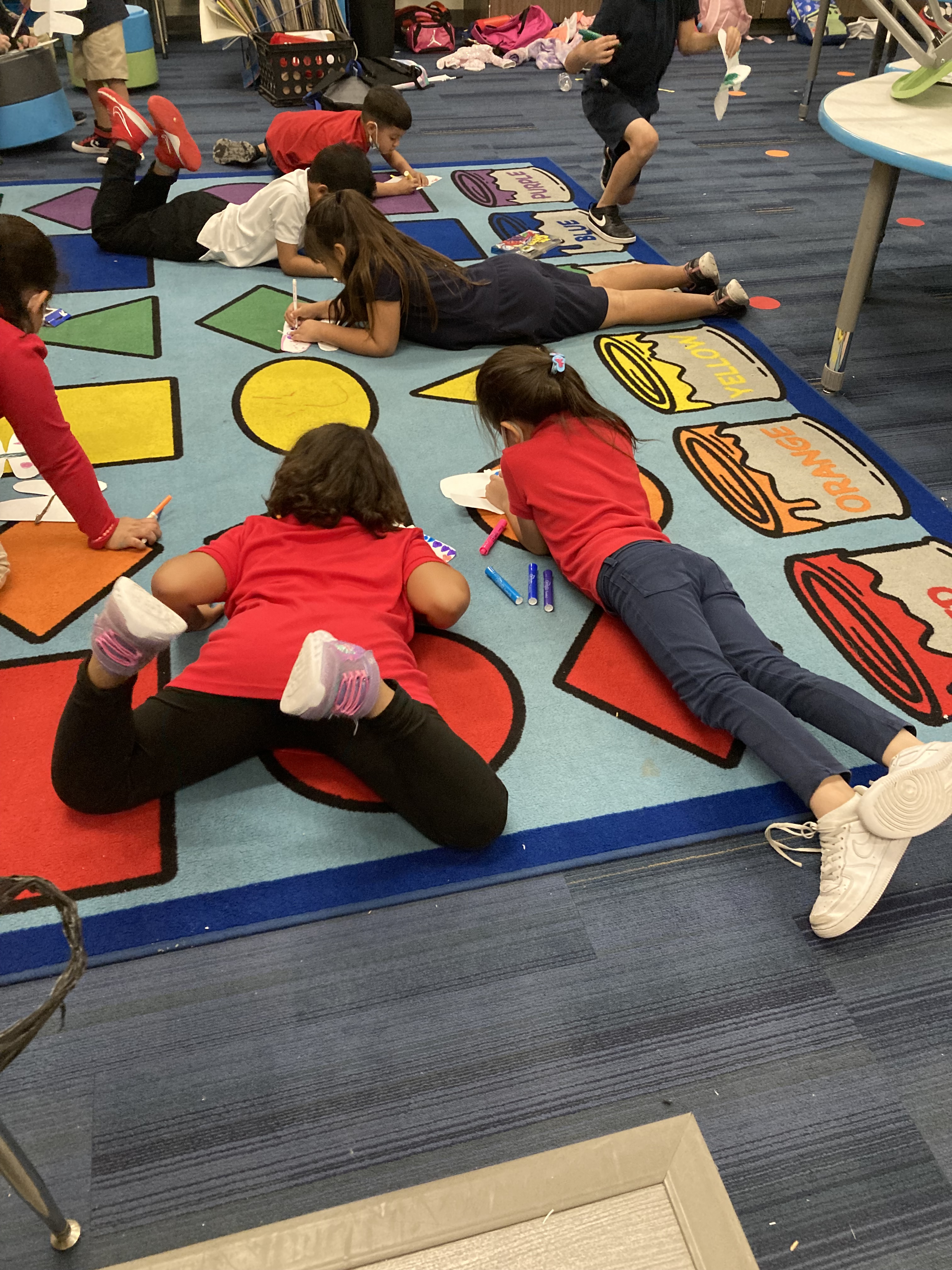
As a pragmatist, I do think learning should be assessed through projects based on real-life situations, collaborative work, reflections, or experimentation within a safe environment. Assessment via portfolios is one that I value because of a portfolio’s ability to show individual growth over time. This is highly beneficial for all ages and abilities. I believe that standardized tests are not always an accurate assessment of learner growth, especially from the perspective of drama in education. As an educator, I scaffold key concepts and assess growth regularly so that student growth is accurately assessed. At the beginning of lessons, I utilize check-ins to see where my students progress to by the end of the learning process and so that I can meet my students where they are at in life in that moment. Check-outs and reflections assist with this process and assess student learning in a method appropriate for drama activities.

My values, methodologies, curriculum design, and assessment exemplify my approach to teaching and my dedication to overall student health, age-appropriate social justice education and engaging learning activities reflective of life. Ultimately, I do not care if all of my students grow up and become Broadway stars. If I am able to create students that are healthy, happy, active citizens, then I have succeeded in my role as an educator.
 Zoe A. Tyler